Table Of Content

Scalp tenderness may include pain, inflammation, tingling, numbness, irritation, itching, throbbing, and stinging. Scalp pain can be caused by a number of things, from easy-to-treat dandruff to infection or infestation. Common symptoms include prickling, burning, or tingling sensations, as well as flaky, itchy skin. Migraines are one of the most common neurological disorders in the UK, according to Brain Research, and they affect around one in seven people.
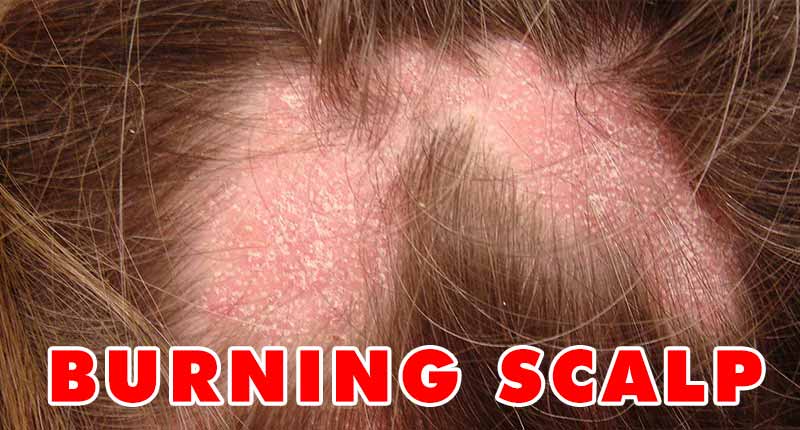
Causes of Scalp Pain
When we’re stressed, our body releases cortisol, which can lead to inflammation and hair loss. Seborrheic dermatitis is a type of eczema that tends to develop in areas of oily skin. The scalp is oily due to the hair follicles, which makes it vulnerable to seborrheic dermatitis. Scalp psoriasis causes discolored patches, scales, or flaking on the scalp. Scratching the patches can worsen them, cause bleeding, or lead to hair loss. There are many possible treatment options for a painful scalp, and they tend to depend on the cause.
Best way to treat scalp pain
Why Does My Hair Hurt? The Strange Phenomenon Explained By An Expert - mindbodygreen
Why Does My Hair Hurt? The Strange Phenomenon Explained By An Expert.
Posted: Fri, 06 Dec 2019 08:00:00 GMT [source]
They will conduct a thorough examination, perform any necessary tests and give you an accurate diagnosis and treatment. Then you can rest assured that you have a happy, healthy scalp. Sunburns usually feel tight, sore, itchy and painful to the touch. They can cause redness and inflammation on the exposed areas of your scalp. Scalp tenderness refers to any pain or discomfort you feel when you touch your scalp, apply pressure to it or move your hair.
What causes scalp pain?
Scalp tenderness is a feeling of discomfort, pain, itching, tingling or a burning sensation on your scalp when touching it or moving your hair. It may happen every time you move your hair or only some of the time and the pain can range in intensity from mild to moderate. Scalp conditions, such as dandruff or psoriasis, can also dictate how often you need to wash your hair. If you have a scalp condition, be sure to consult with your doctor or dermatologist for advice on how often to wash your hair.
'Yes, tight hair styles can cause your scalp to hurt and should be avoided,' says Dr. LoGerfo. 'That constant pulling action can cause scalp pain in those who are sensitive to it.' To avoid or reverse this kind of hair pain, she suggests wearing looser hairstyles when you can, especially overnight. If you have thick, scaly, dry, itchy, discolored (red, brown, gray, or purple) plaques on your scalp and its surrounding skin, it may be due to a skin condition known as scalp psoriasis.
Reasons Why Your Scalp is Sore
Finally, you might be experiencing scalp pain because you have a condition called traction alopecia. With traction alopecia, the hair follicles can become damaged due to excessive tension, and this can cause the scalp to hurt. If you’re experiencing scalp pain, it’s important to see a doctor to determine the cause. Temporal arteritis is a condition that occurs when there is inflammation, swelling, tenderness, or damage to the blood vessels (temporal arteries) that supply blood to the head, neck, upper body, and arms.
Get the Reddit app
This article will cover the basics of everything you need to know if you’re having frequent, mysterious pain when you move your hair. To add, I sleep with an eye mask because the curtains are awful and lets light in too much, and I can't sleep without it... It could be pressing my hair to my head, but I don't know how to overcome this issue...
This Is Why Your "Hair Hurts" When You Wear It Up All Day - Yahoo News
This Is Why Your "Hair Hurts" When You Wear It Up All Day.
Posted: Mon, 21 Nov 2022 08:00:00 GMT [source]
What are some causes of hair and scalp pain?
“It’s the result of the repeated firing of nerve cells in the brain that are involved in the process of migraine,” says Dr. Grosberg. Tight hairstyles can certainly be a first contributing step to migraines, though hair that hurts can also happen separately, as part of a migraine attack that is brought on by other triggers. Traction alopecia—a type of hair loss due to prolonged tension on the hair shaft—can result from chronic tight hairstyles, such as ponytails and braids. Likewise, frequent use of heat tools at high settings can inflict thermal trauma upon the scalp.
If special care is needed, you doctor may refer you to a dermatologist. Studies from University Hospital Centre Zagreb show that when we feel stressed, the flood of cortisol through the body causes an increase in oil production in the skin glands. This increase, the study explains, causes clogged pores on the scalp which can become irritated, itchy, dry and flaky.
Ice packs, soft foods, gentle stretching of the jaw muscles, and reducing stress are all encouraged. Though large whiteheads can be removed by a dermatologist, most cases can be treated with proper hygiene and over-the-counter medications/treatments. Look for products containing benzoyl peroxide or salicylic acid.
Whether you’re experiencing pain from a too-tight hairstyle, a dermatologic condition, or otherwise, the good news is treatment is possible in most cases. Taking a break from your super-taut hairstyles will help you, if you suspect that’s what’s causing your head pain. Now that you understand what’s likely going on with hair and scalp pain, let’s get into some of the common culprits behind it. Occipital neuralgia is a headache disorder that causes sharp burning pain or shock-like pain in the upper neck and head.
Fortunately, there are many at-home, over-the-counter (OTC), and prescription treatment options to help manage scalp pain. Taking shorter baths and showers (meaning 10 to 15 minutes tops) with warm — not hot — water can reduce the chances of further drying out your skin and scalp, per the Mayo Clinic. Using gentle shampoos that don't strip your scalp of natural oils may also help preserve moisture. "Eczema is a condition where the skin barrier is not working as well as it should be, causing cracks in the outer skin layer," Dr. Zeichner says. This leads to a loss of hydration and an influx of inflammation, which can result in itching, discomfort or pain, he explains.




No comments:
Post a Comment